
Ellis County guide
Blackland Prairie Clay & Your Foundation
Published 2026-06-01
How Houston Black Clay and expansive soil in Ellis County affect slabs, pier-and-beam homes, and what homeowners can do.
What is Blackland Prairie clay?
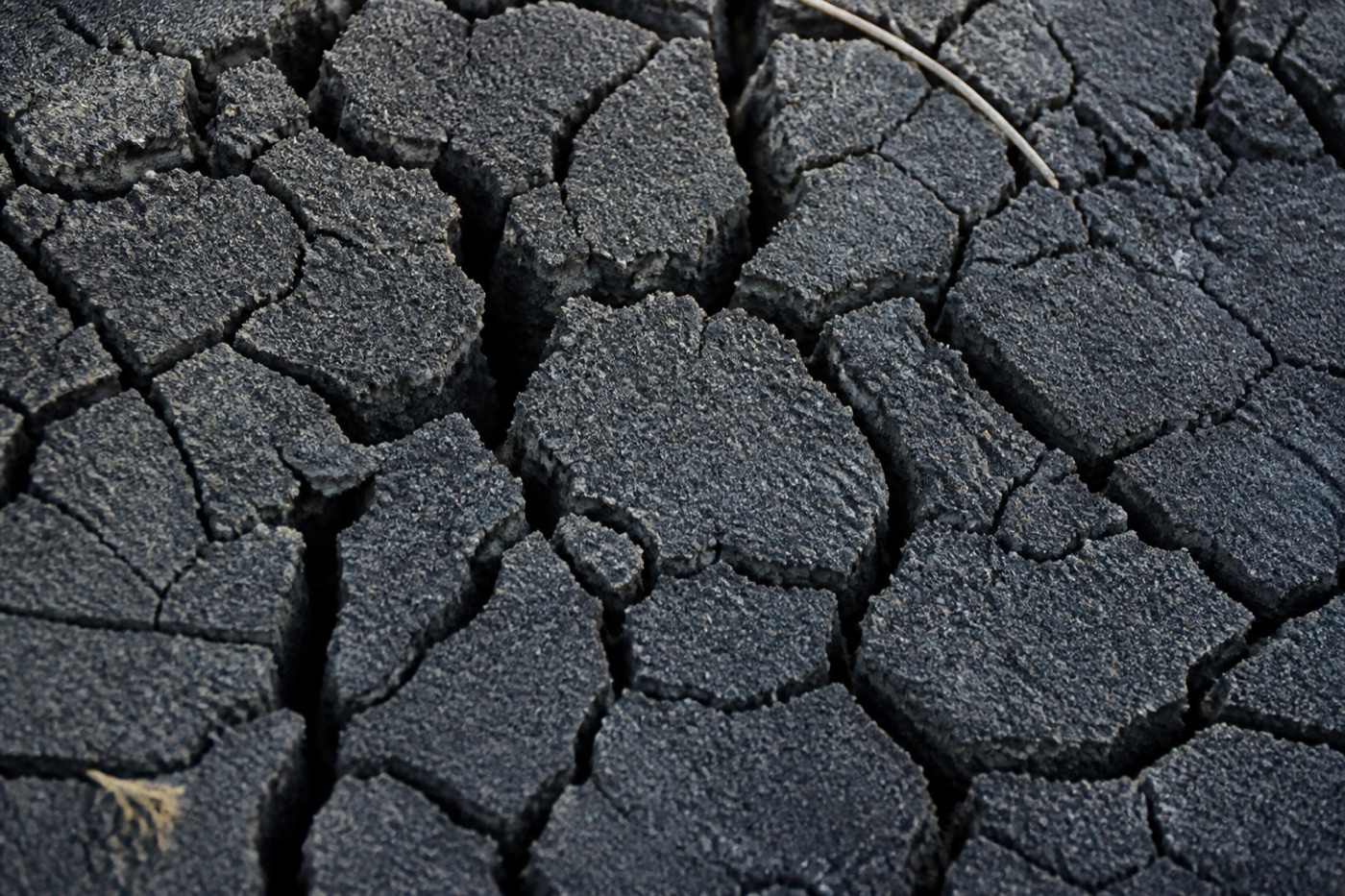
Ellis County sits on the Blackland Prairie — a fertile region defined by deep, dark vertisols commonly called Houston Black Clay. This soil expands dramatically when wet and contracts when dry. That shrink-swell cycle is the root cause of most foundation movement in Waxahachie, Midlothian, Ennis, and surrounding communities.
How clay affects your foundation
- Slab foundations — corners lift or drop as soil volume changes; cracks radiate from stress points.
- Pier and beam — voids form under beams; floors slope; shims compress over time.
- Drainage interaction — water pooling at the perimeter saturates clay unevenly and accelerates movement.
New homes aren't immune
With 3,000+ new housing permits issued in Ellis County annually, thousands of new slabs are poured on the same expansive soil every year. Initial settlement in the first 5–10 years is common — and often manageable if caught early.
What you can do
- Maintain consistent moisture around the foundation (avoid bone-dry or saturated soil).
- Route downspouts 5–10 feet from the slab.
- Watch for sticking doors, diagonal cracks, and gaps at ceilings.
- Get a free inspection if symptoms cluster — early assessment saves money.